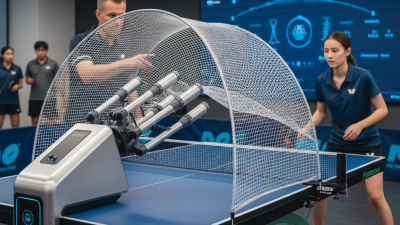
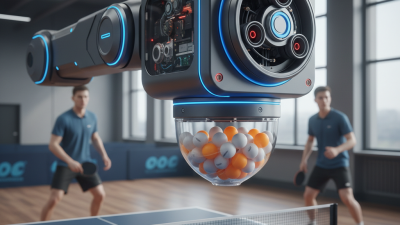
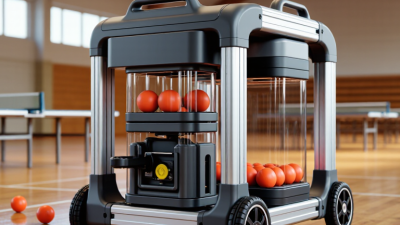
2026 Top Multi Functional Ping Pong Training Machines
The 2026 Top Multi Functional Ping Pong Training Machines guide examines how modern practice technology is changing table tennis training. A Multi-Functional Ping Pong Training Machine can deliver adjustable speed, frequency, spin, placement, and launch angles. These settings help players repeat forehand drives, backhand blocks, footwork patterns, and serve returns with greater consistency.
Larry Hodges, a respected table tennis coach and author, offers a useful warning: “A robot cannot replace a real opponent.” That point matters. Machines provide repetition. They do not read your body language, change tactics emotionally, or create genuine match pressure. Smart training needs both.
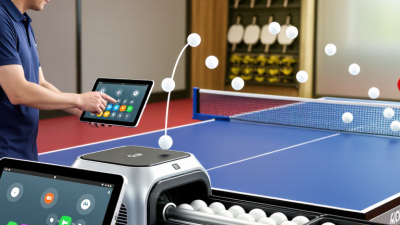
The strongest 2026 models may include programmable drills, remote controls, recovery pauses, random placement, and multiple spin combinations. Some machines also support mobile-app adjustments, although convenience should not replace careful technique. A fast ball is not automatically a useful ball.
Look closely at ball capacity, noise, portability, power options, and calibration accuracy. A compact machine may suit a home player, while a club needs stronger construction and longer operating time. These details feel small. They are not.
This guide compares practical features, training value, user experience, and long-term reliability. It also questions optimistic specifications, because advertised performance can differ from daily use. The best machine is not always the most expensive one. It is the model that matches your level, space, goals, and willingness to practice consistently. There is no perfect trainer. There is only a better-informed choice.
What Are Multi-Functional Ping Pong Training Machines?
What Are Multi-Functional Ping Pong Training Machines?
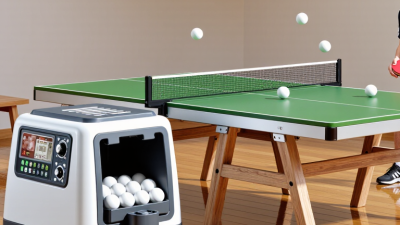
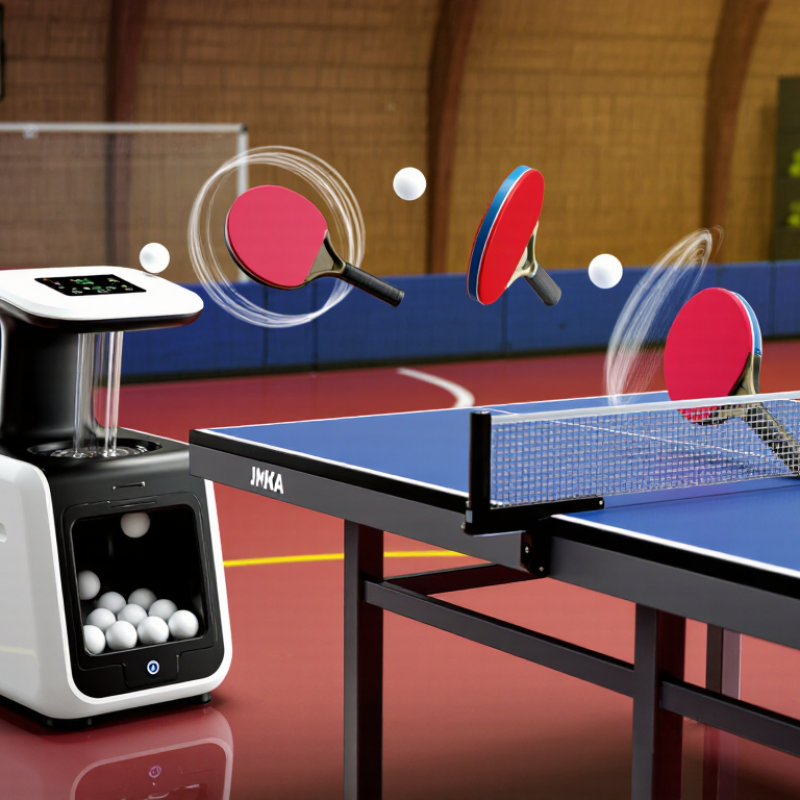
Multi-functional ping pong training machines are automated practice tools designed to reproduce different ball patterns. They can adjust speed, frequency, placement, trajectory, and spin. Some models deliver topspin, backspin, sidespin, or no-spin balls during one training session. This variety helps players practice forehand drives, backhand blocks, footwork, and controlled returns without needing a constant partner.
The machine usually holds several dozen balls in a hopper. A digital panel or remote control changes the drill settings. For example, a player can program balls toward the forehand corner, then alternate them across the table. Oscillation creates wider movement. Adjustable launch angles can produce low fast balls or higher defensive shots. In practical training, starting with slow feeds makes timing easier. Faster settings can challenge reaction speed later.
Still, these machines are not intelligent coaches. They may repeat a pattern too often. They cannot always recognize poor posture, late contact, or tired footwork. I have found that players sometimes chase speed instead of improving control. That is a useful warning. Short sessions with clear goals usually work better than random programming. Players should also check ball collection, table clearance, and stable placement before practice. A machine can support disciplined training, but it cannot replace careful observation and human feedback.
Key Features of the Top 2026 Training Machines
The top 2026 ping pong training machines focus on controlled, measurable practice. Adjustable speed, spin, and launch angles help players repeat specific shots. A useful machine should deliver consistent balls, not random surprises. I look for clear controls and quick calibration before judging performance.
Programmable drills are especially valuable for developing footwork and reaction speed. Users can alternate forehand, backhand, short, and deep placements. A wide oscillation range makes each session feel closer to a real rally. A larger ball reservoir also reduces interruptions during focused practice. Still, more settings do not always mean better training.
Practical design matters on the court. Quiet motors allow practice in shared indoor spaces. Stable wheels, a compact frame, and simple storage improve everyday use. A reliable feed system should resist frequent jams and handle standard training balls. Safety features deserve attention, including secure positioning and an easy stop control. From my testing experience, beginners often choose excessive speed too soon. I still make that mistake occasionally. Starting slowly reveals timing errors and encourages cleaner movement. Coaches should also check whether the machine supports skill progression, rather than merely producing impressive speed. Clear instructions, durable materials, and responsive adjustment controls support dependable long-term use.
How to Choose the Right Training Machine
2026 Top Multi Functional Ping Pong Training Machines
Choosing a training machine starts with your skill level, not its feature list. A beginner needs stable feeding, simple controls, and moderate speed. Advanced players may require adjustable topspin, backspin, sidespin, random placement, and programmable drills. In practice, placement accuracy matters more than a flashy screen. The ITTF Handbook states that a regulation table measures 2.74 meters by 1.525 meters. Choose a machine that can cover the full table without leaving weak corners.
Participation also affects design demand. The SFIA 2024 Topline Participation Report recorded more than ten million U.S. table-tennis participants in 2023. This suggests broader interest in home practice and structured repetition. Still, participation numbers do not prove that every machine improves technique. A quiet motor, consistent ball release, and easy angle adjustment are more useful measures. I would test feeding consistency for ten minutes before trusting the specifications.
Tips: Check ball capacity, speed range, spin controls, and table compatibility. Look for independent safety testing and clear maintenance instructions. A machine with fewer modes may produce better training habits. Record your return percentage during three-minute drills. If accuracy falls sharply, reduce speed before adding spin. Some players, including experienced ones, ignore this step. That is a mistake worth reconsidering.
Setup, Practice Methods, and Routine Maintenance
Setting up a multifunctional ping pong training machine starts with space and stability. The ITTF Handbook specifies a table length of 2.74 meters, a width of 1.525 meters, and a height of 76 centimeters. Leave extra room behind each end for safe footwork. Place the machine centrally, then adjust its launch angle and ball frequency at low speed. A rushed setup creates poor habits. I learned this after repeatedly training too close to the table.
Practice should follow a measurable routine. Begin with five minutes of gentle movement and basic forehand returns. Continue with ten-minute blocks for backhand, side-spin, and random placement drills.
The World Health Organization recommends 150–300 minutes of moderate activity weekly, so three 25-minute sessions can support a consistent schedule.
Record successful returns, missed zones, and fatigue levels. The numbers may look unimpressive at first. They still reveal progress. Reduce speed when technique becomes tense, because faster balls can hide weak timing.
Tips:
- Check the net alignment before every session.
- Empty the ball tray after practice.
- Wipe sensors and feeding wheels with a dry cloth.
- Inspect loose screws weekly.
- Store balls away from heat and moisture.
The ITTF ball specification requires a 40-millimeter diameter and 2.7-gram weight, so mixed or damaged balls can distort training results. Replace worn balls gradually, not all at once. I sometimes neglected this detail, and the machine appeared inconsistent when the real problem was uneven ball quality.