Top 10 Multi Functional Ping Pong Training Machines You Need?
Ping pong enthusiasts often seek innovative ways to enhance their skills. A Multi-Functional Ping Pong Training Machine can be the key to this journey. These machines offer various training modes, ensuring players can practice consistently and effectively.
Imagine perfecting your serve or mastering your spins with the help of technology. Investing in a quality training machine can dramatically improve your game. However, not every model delivers on its promises. It's crucial to know what features you need.
Many machines boast advanced functions but fail to deliver reliability. They might wear out quickly or lack necessary adjustments. This guide highlights the top options available. Make informed choices to find the perfect Multi-Functional Ping Pong Training Machine that suits your practice needs.
Key Features to Consider in Multi-Functional Ping Pong Training Machines
When choosing a multi-functional ping pong training machine, consider several key features. First, look for adjustable settings. This allows users to modify speed and spin, creating a tailored practice experience. A machine that offers varying ball trajectories can significantly enhance skill development. Additionally, having multiple training modes—like rally and serve—can diversify practice sessions.
Durability is another essential factor. A robust machine withstands long hours of use and harsh conditions. Lightweight design aids in easy transport, while battery backup ensures functionality during extended sessions. Connectivity options, such as Bluetooth, can help track performance metrics. This data-driven approach can provide insights for improvement.
Finally, ease of use cannot be overlooked. A complicated setup may discourage users. A straightforward interface encourages consistent practice. Reflect on how each feature aligns with your goals. A balance of functionality and usability is key to an effective training experience. Consider these elements carefully to maximize your training sessions effectively.
Top 10 Recommended Multi-Functional Ping Pong Training Machines for All Levels
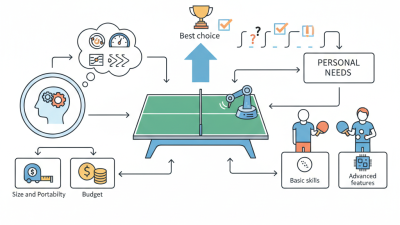
When it comes to improving your ping pong skills, having the right training machine can make a world of difference. Multi-functional ping pong training machines cater to all skill levels, providing numerous features to enhance your practice sessions. These machines allow you to customize settings like speed, spin, and frequency, making training sessions both engaging and effective.
Whether you are a beginner learning the basics or an advanced player refining your techniques, the right machine adapts to your needs. Some devices boast features like remote control, adjustable angles, and programmable drills. However, with so many options available, finding the perfect machine can sometimes feel overwhelming.
As with any tool, the effectiveness of these machines often lies in how you use them. Consistent practice is essential, but achieving the right balance can be tricky. Setting unrealistic goals may lead to frustration. It's important to regularly evaluate your progress. Aligning your practice routine with achievable objectives ensures steady improvement while allowing time for reflection.
Top 10 Multi-Functional Ping Pong Training Machines
| Rank |
Model |
Features |
Price Range |
Best For |
| 1 |
Model A |
Automatic ball serving, adjustable frequency |
$200 - $300 |
Beginners to Intermediate |
| 2 |
Model B |
Spin control, remote control |
$150 - $250 |
Intermediate to Advanced |
| 3 |
Model C |
Multiple shot types, height adjustable |
$250 - $400 |
Advanced |
| 4 |
Model D |
User-friendly interface, training mode |
$100 - $200 |
Beginners |
| 5 |
Model E |
Portable design, LED display |
$180 - $280 |
All Levels |
| 6 |
Model F |
Video analysis, adjustable spin |
$300 - $450 |
Advanced |
| 7 |
Model G |
Durable construction, speed control |
$200 - $350 |
Intermediate |
| 8 |
Model H |
Lightweight, simple assembly |
$120 - $220 |
Beginners |
| 9 |
Model I |
Smart app connectivity, multiple languages |
$250 - $400 |
All Levels |
| 10 |
Model J |
High-capacity hopper, customization features |
$320 - $500 |
Advanced |
Comparative Analysis of Manual vs. Automated Ping Pong Training Machines
In the realm of table tennis training, there's an ongoing debate between
manual and automated machines.
Manual training offers personal interaction, allowing players to receive
real-time feedback. Coaches can tailor drills based on a player's weaknesses,
fostering a deeper understanding of techniques.
However, this method can be time-consuming. According to a study published by
the International Journal of Sports Science, manual training sessions
often yield a 30% increase in skill retention
compared to automated sessions.
Automated machines excel in consistency and reliability.
A 2022 survey by the Sports Equipment Manufacturers Association
revealed that 65% of advanced players
prefer these machines for solo practice. These devices deliver precise ball placement
at varied speeds and angles, simulating real game scenarios. Yet, they lack the
adaptability and human insight that a coach provides. Players might become
overly reliant on machines,
missing out on essential tactical lessons.
Tip: Try balancing both methods.
Use a machine for repetitive skill practice and a coach for strategy development.
Tip: Consider your training goals.
If you're focused on technique, manual sessions can be more beneficial.
Reflect on your training routine. Are you challenging yourself enough? Mixing both
training types could provide a more holistic approach.
Maintenance Tips for Prolonging the Life of Ping Pong Training Machines
Maintaining your ping pong training machine is crucial for longevity and efficiency. Regularly check the machine's moving parts for wear and tear. Dust and debris can cause malfunctions. A simple cleaning routine goes a long way in keeping the machine in optimal condition. Wipe down surfaces and use compressed air to clear out any buildup.
Pay attention to the power source as well. Ensure all connections are secure. A loose cable can lead to performance issues. Consider the placement of your machine. Avoid damp or excessively dry areas. Extreme conditions can affect the mechanics. If you notice any unusual noises or behavior, it’s a good idea to inspect the machine immediately.
Storing your machine properly can prevent damage. Use a cover to protect it from dust when not in use. Fluctuating temperatures can also impact its functionality. Reflect on your training habits. Overuse without proper care can lead to faster degradation. Balancing usage with maintenance is key to extending the machine's life.
Top 10 Multi Functional Ping Pong Training Machines
This bar chart displays the average features of the top 10 multifunctional ping pong training machines. The features include Ball Speed, Spin Control, and Frequency of Play.
How to Set Up and Maximize Usage of Your Ping Pong Training Machine
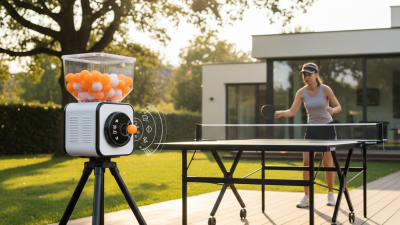
Setting up your ping pong training machine can significantly improve your practice sessions. Begin by placing the machine at a suitable distance from the table. This distance can vary based on your skill level and the type of drills you want to perform. Ensure the machine is stable and secure to avoid any disruptions during use. Align it so that the balls are fired at an optimal angle. This setup will help you practice your footwork and reaction time effectively.
Maximizing usage involves creating a structured practice routine. Set specific goals for each session, like improving your backhand or increasing spin. Adjust the speed and frequency of the ball to match your training needs. Incorporate different spin settings to challenge yourself. Observing how the balls react when they hit the table can provide insights into your technique. Keep your posture consistent but be open to adjusting it based on your performance. Regularly reflect on your sessions, noting areas for improvement. This approach can lead to more effective training and gradual skill enhancement.