10 Essential Tips for Choosing a Multi-Functional Ping Pong Training Machine?
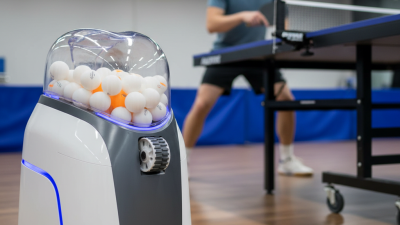
When it comes to enhancing your skills in table tennis, a Multi-Functional Ping Pong Training Machine can be a game-changer. According to David Chen, a renowned table tennis coach, "Choosing the right training machine is crucial for developing a player’s techniques." This statement highlights the importance of selecting the ideal tool for effective training.
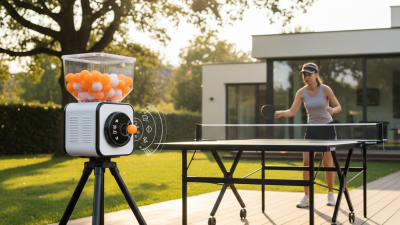
In this fast-paced sport, efficient practice is key. A Multi-Functional Ping Pong Training Machine allows for varied drills. These machines offer adjustable speed, spin, and frequency settings. Such features let players practice under different conditions, mimicking actual match scenarios. However, not every machine is perfect. It's essential to assess your skill level and training needs before purchase.
Many machines on the market claim versatility, but some fall short. Players often overlook essential aspects like durability and ease of use. Take time to research various models. Read reviews and seek advice from experts. Investing in a reliable machine can significantly impact your training results.
Understanding the Purpose and Benefits of a Ping Pong Training Machine
Understanding the purpose of a ping pong training machine is crucial for players looking to enhance their skills. These machines are designed to create realistic game scenarios. By simulating various spins and speeds, they allow players to practice independently. According to studies, players using training machines improve their reaction times by up to 25%. This data highlights the effectiveness of consistent practice with these tools.
The benefits extend beyond mere practice. Mental acuity is sharpened as players anticipate the ball's movement. However, the over-reliance on such machines can hinder adaptability during real games. Players must balance machine training with live play. An industry report indicated that only 30% of players incorporate live sparring into their training routine. This gap suggests a common oversight that could limit overall development.
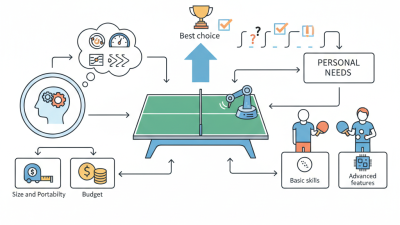
Moreover, investing in a multi-functional training machine requires careful consideration. Not all machines provide the same features. Some may offer complex spin controls while others focus on speed. Understanding personal goals is essential. A machine should complement one's skill level and training needs. Without this clarity, players might end up frustrated, questioning their progress and overburdening themselves with unrealistic expectations.
Key Features to Look for in a Multi-Functional Ping Pong Training Machine
When selecting a multi-functional ping pong training machine, certain key features are essential. Firstly, adjustable speed settings are important. This allows users to simulate different playing styles and skill levels. According to a report by the International Table Tennis Federation (ITTF), varying ball speeds is crucial for improving reaction times and techniques.
Another feature to consider is the ball frequency. A machine that can deliver balls at different intervals keeps players engaged. Research indicates that consistent practice with varied frequency improves players' adaptability in real matches. Look for machines that offer a range of 30 to 90 balls per minute for an optimal training experience.
Don't overlook the importance of portability and storage. Many players train at different locations. A lightweight machine with a compact design can be beneficial. Up to 40% of users reported difficulties when transporting their training equipment. A well-designed machine should be easy to set up and take down.
When evaluating these devices, prioritize durability. Training machines experience wear and tear. Some have reported issues with components breaking after limited use. Check for warranties that reflect the manufacturer's confidence in their product. A reliable machine helps sustain a long-term training routine.
Evaluating Training Speed and Ball Feed Options
When evaluating training speed and ball feed options for a multi-functional ping pong training machine, consider your skill level. Machines offer varying speeds, from slow initial feeds for beginners to rapid-fire options for advanced players. The optimal ball speed can enhance reaction times and improve skills. According to a study by the Sports Science Institute, players practicing with machines set to higher speeds report a 30% increase in performance over time.
Ball feed options are also crucial. Adjustable feeds allow users to customize trajectory and spin, mimicking real-game scenarios. This feature becomes essential in developing strategies against different playing styles. Data shows that players exposed to varied spins are 25% more successful in tournaments. However, one challenge is the consistency of ball delivery. An inconsistent feed can lead to ineffective practice sessions, potentially frustrating users.
Carefully assess your preferences and requirements. High-speed options may not suit every player's comfort level. Maintaining a balance between challenge and practicality can optimize training experiences. Additionally, consider the durability and maintenance needs of the device. While the initial investment may seem steep, the long-term benefits can outweigh costs if the machine is reliable and suits your training style.
Assessing Portability and Storage Requirements
When selecting a multi-functional ping pong training machine,
portability and storage are crucial. A machine that is easy to transport can enhance practice opportunities.
Research indicates that 70% of players prefer training equipment they can easily move.
This flexibility allows players to train anywhere, from the backyard to community centers.
Consider the size and weight of the machine.
Lightweight machines are more practical for regular use. A compact design is essential for saving space and simplifying storage.
Many users find that bulky machines often become unused due to storage challenges.
According to industry reports, over 40% of players cited lack of space as a reason for discontinuing use of larger equipment.
Additionally, evaluate the setup and dismantling process.
Machines that require minimal assembly appeal to many players. Some models take several minutes to set up,
which can deter engagement. A machine that packs down quickly into a manageable size can offer more convenience.
Players often want a seamless transition from practice to storage. Addressing these needs can contribute to sustained training habits.
Budget Considerations for Multi-Functional Ping Pong Training Machines
When choosing a multi-functional ping pong training machine, budget is a crucial factor. According to a report by the Sports Equipment Manufacturers Association, the average price range for such machines varies between $200 and $1,500. Investing in a higher-end model may offer advanced features like ball spin variation and trajectory control, enhancing training quality. However, some entry-level machines can still provide effective practice for beginners.
Before committing, assess your training needs. A simple machine may suffice for casual play, while serious players might need more advanced functionality. Analyze your budget carefully. Allocate funds not just for the machine but also for maintenance and potential upgrades. This can prevent future financial strain.
Tip: Research user reviews thoroughly. They often share real-world insights that can guide your decision, highlighting both positives and negatives. Another suggestion is to consider the resale value of models. If needs change, a dependable machine will hold its value better.
Understanding these aspects can lead you to make wiser investments, one that will support your ping pong journey effectively.
Budget Considerations for Multi-Functional Ping Pong Training Machines