• 6604cbd371a4449819
  • 6604cbd419bc838451
  • 6604cbd49542673381
  • 6604cbd51ce2b59534
  • 6604cbd59973f46036
Inquiry
Form loading...

How to Choose an Outdoor Folding Ping Pong Table

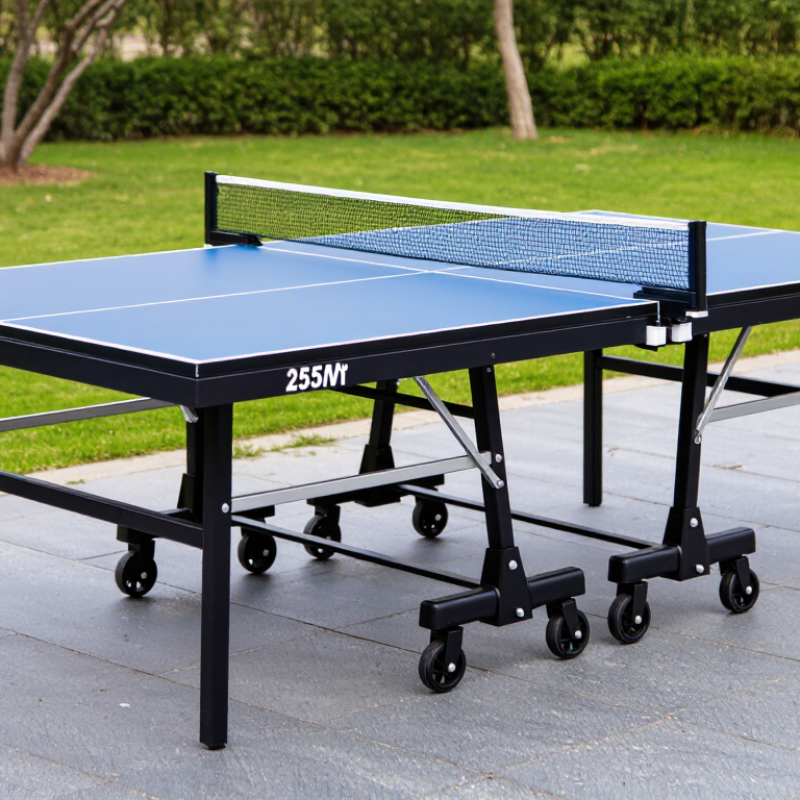
Choosing an Outdoor Folding Ping Pong Table is not simply a matter of finding the lowest price. A reliable choice must balance weather resistance, playing performance, storage space, and everyday convenience. Richard McAfee, a USA Table Tennis Hall of Fame coach, describes table tennis as “a game of speed, spin, and placement.” That principle matters outdoors, where an uneven surface or weak frame can quickly disrupt every return.

A practical evaluation begins with the tabletop. Look for a weatherproof surface that resists warping, fading, and moisture absorption. A thicker playing top usually provides a steadier bounce, although it may make the table heavier. Check the bounce across several areas, not just the center. Small differences become obvious during fast rallies. The frame should feel rigid when opened, while locking joints must prevent accidental folding. Safety comes first.

Wheels deserve attention, too. Large casters move more smoothly across patios and slightly rough pavement. Brakes should hold the table firmly during play. Measure your storage area before purchasing. Many buyers forget the folded height.

Do not trust marketing alone. Some tables claim outdoor durability but still need a cover and careful drying after rain. That is an imperfect reality. Even a strong Outdoor Folding Ping Pong Table will age faster under constant sunlight and standing water. Consider wind, available playing space, net quality, warranty support, and replacement parts. A thoughtful decision may cost more initially, but it can protect both your enjoyment and your investment.
How to Choose an Outdoor Folding Ping Pong Table

Define Your Outdoor Table-Use Requirements

How to Choose an Outdoor Folding Ping Pong Table

Define Your Outdoor Table-Use Requirements

Start by describing how the table will actually be used. Will two adults play casually on weekends, or will several children use it every afternoon? A family table may need rounded corners, stable legs, and simple folding controls. Competitive practice demands a consistent bounce, accurate alignment, and enough clearance for movement.

Measure the playing area before choosing a table. Leave at least five feet behind each end and three feet beside each side for comfortable play. A narrow patio may suit occasional games, but it can feel cramped during fast rallies. Check the path from storage to the yard, too. A folded table still needs to pass through doors, gates, and tight corners.

Outdoor conditions should shape the requirements. Direct sunlight can heat the surface, while moisture may affect hinges, wheels, and locking parts. Look for weather-resistant materials and a secure cover, especially in humid regions. If strong wind is common, prioritize a heavy frame and dependable wheel brakes. Do not rely on weight alone. A poorly locked table can shift during play.

Think about storage habits honestly. Will someone fold it after every session? If not, a quick setup system matters more than advanced features. I once underestimated how often a bulky table would be moved, and that mistake made casual play inconvenient. Leave room for imperfect routines. A table that matches real habits usually receives more use.

Compare Tabletop Materials, Thickness, and Weather Resistance

How to Choose an Outdoor Folding Ping Pong Table

An outdoor folding table must handle sun, rain, and sudden temperature changes. The tabletop material matters more than a shiny finish. Aluminum composite panels resist moisture and usually remain stable outdoors. Resin surfaces can also perform well, but their bounce may feel slightly different from indoor tables. Test the rebound if possible. A ball should rise consistently, not wobble after landing. I once chose a table for its light frame and regretted it during windy practice.

Thickness affects both bounce and strength. Thicker panels often provide a more predictable playing response, but they also increase weight. A very thin surface may flex when someone leans on the edge. Look for a firm underside, strong bracing, and smooth joining lines between folded sections. Weather resistance includes more than the tabletop. Check rust-resistant hardware, sealed edges, UV protection, and drainage around the frame. Even good materials can fade or warp without care.

Tips: Store the table under cover when possible. Use a breathable cover, not a damp plastic sheet. Wipe standing water away after storms. Inspect hinges and wheels every few weeks. A table labeled outdoor is not maintenance-free. That assumption is easy to make, and usually wrong. Consider your actual storage space, too; a heavy table may stay outside simply because moving it becomes inconvenient.

Evaluate Folding Designs, Portability, and Storage Needs

How to Choose an Outdoor Folding Ping Pong Table

Evaluate the folding mechanism before focusing on appearance. A one-piece design usually opens faster, while a two-piece model may fit narrow storage areas more easily. I have moved both types through garages and doorways, and small differences became surprisingly important. Look for secure locking bars, smooth hinges, and legs that do not wobble when opened. Test the table in person if possible. Measure twice.

Portability depends on more than total weight. Large wheels handle grass, paving, and small thresholds better than narrow rollers. A padded handle can reduce strain during movement. Check whether one adult can steer the folded table safely, especially around corners. I once chose a lighter model with weak wheels, and carrying it was harder than expected. That mistake changed how I judge portability.

Storage needs should match your actual outdoor space. Measure the folded length, height, and width, then compare them with your shed door and available floor area. Vertical storage can save space, but only if the locking system remains secure. Leave room to pull the table out without scraping nearby tools. Outdoor tables still need protection from rain, dust, and direct sunlight. A fitted cover helps, but it cannot replace a dry, sheltered location. One overlooked detail is wind: even a folded table can tip when stored carelessly.

Check Playing Features, Safety, and Assembly Details

Choosing an outdoor folding ping pong table starts with play quality, not color or price. The ITTF Equipment Regulations specify a 2.74-meter length, 1.525-meter width, and 76-centimeter height. Check these measurements before buying. A slightly narrow surface can make familiar shots feel strangely cramped. The same regulations require a 15.25-centimeter net height and consistent bounce. Ask whether the tabletop resists warping, glare, and moisture. I once focused too much on wheel size and overlooked surface flatness. That was a poor decision.

Safety deserves close inspection. EN 14468-1:2015 evaluates table-tennis equipment through stability, safety, and playing-performance requirements. Look for wide wheel spacing, reliable brakes, and a locking system that holds both folded panels. Keep hands away from closing joints. A visible pinch-point warning helps, but careful handling matters more. The U.S. Consumer Product Safety Commission’s injury data repeatedly shows that falls and struck-by accidents are common household hazards. A heavy table can still move on a sloped patio. Test it with gentle pressure before play.

Assembly details often reveal the table’s real quality. SFIA’s 2024 Topline Participation Report recorded about 3.6 million U.S. table-tennis participants in 2023, so casual home use is substantial. Choose clear instructions, labeled hardware, and preassembled wheel units. Two adults should lift each half. Tighten bolts gradually, then recheck them after several sessions. I would prefer slower assembly over unclear shortcuts. Five minutes saved can create months of wobble.

How to Choose an Outdoor Folding Ping Pong Table

Compare the table with recognized playing dimensions before reviewing safety and assembly details.

How to use this chart: A regulation-size playing surface is 274 cm long, 152.5 cm wide, and 76 cm high. The net height is 15.25 cm. When choosing an outdoor folding table, also check that the locking system secures both halves, the wheels include reliable brakes, pinch points are protected, and the assembly instructions clearly show frame alignment and leveling steps.

Assess Durability, Maintenance, and Overall Value

Choosing an outdoor folding ping pong table requires more than checking its price. Durability depends on the playing surface, frame, wheels, and hardware. The International Table Tennis Federation’s equipment regulations emphasize consistent bounce and surface flatness, although outdoor tables face harsher conditions. Look for weather-resistant coatings, sealed edges, rust-resistant fasteners, and a strong locking system. A thick top usually feels steadier, but it can make storage and movement harder.

Maintenance affects real value. The 2024 Outdoor Recreation Participation Trends Report from the Outdoor Industry Association recorded 175.8 million American participants, showing strong demand for equipment used outside. More use means more exposure to dust, moisture, and sunlight. ASTM G154 testing guidance uses repeated ultraviolet exposure and condensation to evaluate material weathering. Ask whether the table’s finish has comparable testing evidence.

Clean the surface with mild soap, dry it fully, and inspect wheel joints monthly. Water wins. Even a good cover cannot repair trapped moisture.

Tips: Store the table under a roof when possible. Keep it folded on a level surface. Check the locking pins before every game. Do not leave the net installed during storms. Compare replacement-wheel and cover costs before buying.

I once underestimated storage space by measuring only the folded length. That mistake made the table inconvenient to use. Measure twice.

A lower-priced table may offer poor value if its wheels jam, its surface warps, or spare parts are unavailable. A realistic ownership calculation should include cleaning supplies, shelter, repairs, and expected service life.