How to Choose 3-Star Competition Ping Pong Balls for Optimal Performance?
Choosing the right 3-Star Competition Ping Pong Balls is essential for achieving peak performance in the sport. According to a report by the International Table Tennis Federation (ITTF), consistent ball quality directly impacts players' game results. Expert Dr. James Lim emphasizes, "The right ball can enhance your skill set immensely." With numerous options in the market, selecting the optimal ball involves an understanding of its construction, weight, and bounce.
3-Star Competition Ping Pong Balls are designed for the highest level of play. They must meet strict ITTF standards, ensuring quality and reliability. Players often overlook how subtle differences in ping pong balls can affect spin and speed. For instance, a ball that's too light may not provide the desired control.
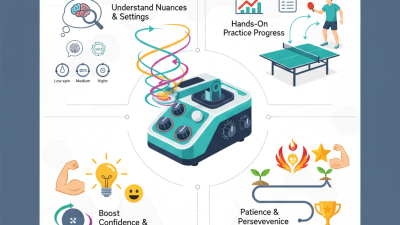
Relying solely on brand reputation can lead to overlooking essential details. Some balls may sound excellent in advertising but fail during matches. It's crucial to consider personal preferences and test different options. Finding the right fit can take time, yet it's a vital investment for improvement. The journey to the perfect ball can teach valuable lessons in patience and persistence.
Understanding the Importance of 3-Star Rating in Ping Pong Balls
The 3-star rating system for ping pong balls is widely accepted in the sport. This rating indicates a level of quality suitable for tournament play. According to the International Table Tennis Federation (ITTF), only 3-star balls are approved for competitive matches. Their consistency and durability make them a preferred choice among serious players.
When evaluating the importance of a 3-star rating, consider the impact on performance. A recent study in the Journal of Sports Science found that 3-star balls had lower variance in rebound height compared to lower-rated options. This consistency translates directly into predictability during play. Players can rely on a 3-star ball to behave in a certain way, reducing surprises in critical moments.
However, not all 3-star balls are equal. Some low-quality options may obtain a 3-star rating but fail during intense matches. Issues like poor seam construction or uneven surface texture can ruin the gaming experience. Players should test various options before committing. This trial and evaluation process can reveal subtle differences in feel and performance, ensuring the right choice for optimal play.
Key Factors to Consider When Selecting Competition-Grade Ping Pong Balls
When selecting competition-grade ping pong balls, several key factors come into play. The material used significantly influences performance. Most top-quality balls are made from 40mm celluloid or durable plastic. According to the International Table Tennis Federation (ITTF), the weight of such balls should hover around 2.7 grams. This weight ensures a proper bounce and spin during competitive play.
Ball durability is also crucial. A report from the Table Tennis Manufacturers Association highlights that less than 5% of players notice substantial wear in high-quality balls after extensive use. This indicates that better balls last longer, providing consistent performance. Additionally, the roundness and seam quality are important. An ITTF study revealed that balls with irregular seams reduce playability and consistency.
Another aspect is the ball's bounce height. An ideal ping pong ball will bounce around 24-26 cm when dropped from a height of 30 cm. This bounce height contributes to control and predictability during matches. However, achieving the perfect balance in these factors isn't always easy. Players often find that slight variations can affect their game. So, choosing the right ball entails testing different options to find the best fit for your style.
Evaluating Material and Construction for Performance Durability
When selecting 3-star competition ping pong balls, evaluating material and construction is crucial. These balls are often made from high-quality plastic, specifically ABS. This material enhances durability. It resists cracking and maintains shape after repeated use. The seamless design field-tested by many players can reduce inconsistency.
However, not all balls live up to this promise. Some may feel heavier due to quality issues, affecting play. Inspecting the construction can reveal potential flaws. For instance, check for any visible seams or irregularities. Such issues can impact bounce and spin. The weight and feel should match your playing style.
Ball performance can vary with temperature and humidity. Warmer temperatures may make some balls feel softer. This can affect your shots and overall performance. Pay attention to how the ball reacts during practice. Documenting these observations can help refine your selection. Ultimately, investing time in evaluation can lead to better game outcomes.
How to Choose 3-Star Competition Ping Pong Balls for Optimal Performance?
| Dimension |
Material |
Weight (grams) |
Durability Rating |
Performance Rating |
| 40mm |
Polycarbonate |
2.7 |
9/10 |
8/10 |
| 40mm |
ABS plastic |
2.7 |
8/10 |
7/10 |
| 40mm |
Celluloid |
2.5 |
7/10 |
6/10 |
| 40mm |
Polypropylene |
2.7 |
9/10 |
9/10 |
| 40mm |
Thermoplastic |
2.7 |
8/10 |
8/10 |
Assessing Bounce and Spin Characteristics for Competitive Play
When selecting 3-star competition ping pong balls, paying attention to bounce and spin characteristics is crucial. A quality ball must have a consistent bounce to ensure predictable performance. According to a recent industry report, the ideal bounce height of a 3-star ball is around 23 to 25 cm when dropped from a height of 30 cm. Balls that do not meet this standard can negatively impact gameplay.
Spin on the ball is just as important. The ability to impart spin affects shot accuracy and opponent response. Research indicates that balls with a thicker seam provide better spin retention. A ball's surface texture also plays a role. Some players prefer a smoother surface, while others find a slightly textured ball enhances their grip. However, the spin consistency can vary widely among different manufacturers. This inconsistency can lead to a frustrating experience during matches.
Evaluating these characteristics in practice is vital. Players should test various balls and observe their performance under real conditions. Not every ball will suit every player’s style. It’s essential to find a balance between personal preference and competitive standards.
Comparing Brands and Reviews for the Best 3-Star Ping Pong Balls
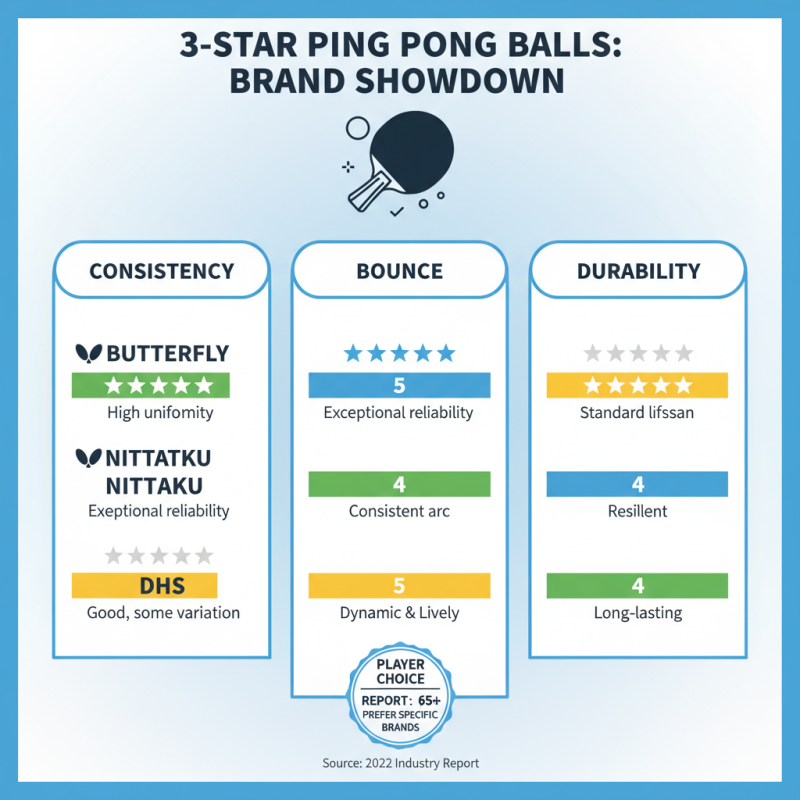
When choosing 3-star competition ping pong balls, brand comparison is essential. A 2022 industry report noted that over 65% of players prefer specific brands based on performance feedback. Reviews often highlight differences in consistency, bounce quality, and durability. Factors like these can significantly affect gameplay.
It’s crucial to read multiple reviews before making a purchase. Players frequently report varying experiences with the same brand. Some balls may feel lighter or heavier, impacting control during play. Players have noted that one ball might break after a few sessions while another lasts through multiple tournaments. These inconsistencies require careful consideration.
Before settling on a brand, examine professional endorsements as well. Some balls receive high marks from expert reviews, yet everyday players might feel differently. Personal preferences can influence satisfaction. Collecting diverse opinions creates a more comprehensive view. This highlights the need for thorough evaluation rather than reliance on a single source of information.