Where to Buy China Top 3 Star Competition Ping Pong Balls?
Finding reliable 3-Star Competition Ping Pong Balls in China requires more than choosing the lowest online price. Buyers need consistent bounce, roundness, durability, and clear product specifications. These details matter during club matches, tournaments, and serious training sessions.
China offers several purchasing options. Official manufacturer websites, authorized distributors, sports equipment marketplaces, and established table tennis retailers can all be useful. A dependable supplier should provide material information, ball size, weight, seam details, packaging photographs, and quality documentation. When tournament approval matters, verify the current requirements with the relevant table tennis organization. Product claims can change.
In my experience, supplier communication often reveals more than a polished product page. Ask for factory photos, sample balls, inspection records, and shipping terms before placing a large order. A sample should bounce consistently on a clean table and show no visible dents after repeated use. Small details count.
Not every listing is equally clear. Some sellers describe training balls as competition products, which can create avoidable disappointment. I have also seen attractive packaging hide limited performance information. That is a warning sign. Compare samples, certifications, reviews, and response quality together. Cost still matters, but reliability matters more when players depend on every rally. This guide explores where to buy in China, how to assess suppliers, and which questions can help you make a more confident decision. The perfect purchase is not guaranteed. Careful checking remains essential.
What Defines a China Top 3 Star Competition Ping Pong Ball?
Where to Buy China Top 3 Star Competition Ping Pong Balls?
A China top 3 star competition ping pong ball should meet measurable performance standards, not just a printed rating. The ITTF Equipment Regulations 2024 specify a diameter of at least 40 millimeters and a weight of 2.7 grams. Its bounce must reach 240–260 millimeters after dropping from 305 millimeters onto a standard steel block. These figures help buyers compare consistency, speed, and rebound before purchasing.
Material matters. Modern competition balls must use plastic rather than celluloid, with a stable round shape and reliable seam quality. The ITTF Equipment Committee also evaluates hardness, color, surface finish, and weight tolerance. A ball listed on the current ITTF equipment list offers stronger evidence than vague “professional grade” wording. Check the listing carefully.
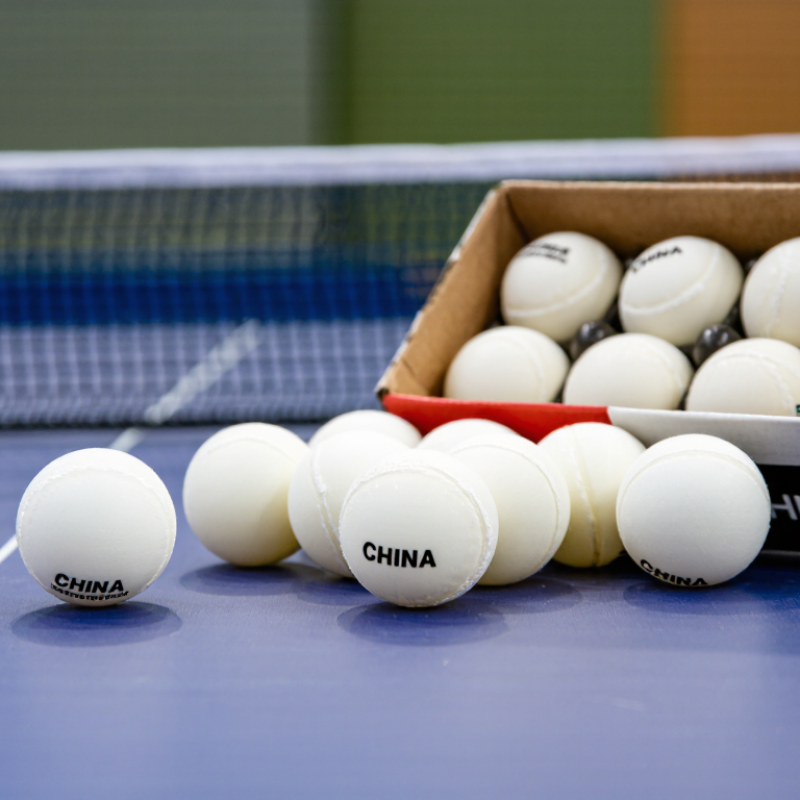
Three-star grading usually signals the highest commercial quality tier, but it does not automatically confirm tournament approval. That distinction is easy to miss. When buying in China, choose an established sports-equipment distributor that provides batch details, inspection records, and clear product specifications. Test several balls on a regulation table. Watch for uneven bounce, visible seams, or drifting flight. My own practical check is simple: roll each ball across a flat surface. It should travel smoothly, although this test cannot replace laboratory measurement. A low price may be attractive, but inconsistent balls quickly weaken serious practice.
Which Chinese Brands Produce Certified 3-Star Competition Balls?
China has several established table tennis manufacturers producing certified three-star competition balls. The reliable ones publish current approval details, factory information, and product specifications. Certification matters.
A genuine three-star ball should match the approved diameter, weight, roundness, hardness, and bounce range. Look for the official federation approval mark on the packaging, not only phrases such as “professional quality.” From my equipment checks, the best balls feel consistent across a full box. Their bounce remains stable on a clean tournament table. Seams should look even, with no visible flattening or rough edges. Small defects can still appear. That is worth admitting.
Buy through an authorized sports distributor, a recognized table tennis supplier, or a manufacturer’s verified sales channel. Ask for the certificate number and approval period before ordering large quantities. Certification may expire, change, or apply only to one model and batch. A product listing alone is not strong evidence. Keep the invoice and packaging for traceability.
Some Chinese producers focus on tournament balls, while others mainly serve training markets. Do not assume every three-star ball from the same factory has identical performance. Test several balls before an important event. Check roundness with a simple spin test on a flat surface. Listen for a clear, uniform sound when bouncing each ball. It is not laboratory testing, but it can reveal obvious inconsistencies. Bulk buyers should also request batch samples and written quality-control records.
Where to Buy China-Made 3-Star Ping Pong Balls Online?
Where to Buy China-Made 3-Star Ping Pong Balls Online?
China-made 3-star ping pong balls are widely available through manufacturer-direct stores, online marketplaces, and sporting-goods wholesalers. Choose sellers that show factory details, testing records, and clear product photographs. The ITTF Equipment Regulations require a ball to measure 40 mm, weigh 2.7 grams, and have a uniform, matte surface. A “3-star” label alone proves little. Ask for approval information when tournament use matters.
The SFIA 2024 Topline Participation Report recorded roughly 4.8 million U.S. table tennis participants in 2023. That demand supports a broad online supply, but quality can vary between batches. Check customer reviews for roundness, seam marks, bounce consistency, and carton damage. A reliable seller should also state the plastic material, quantity per box, delivery time, and return terms. Avoid listings with only polished images. Real details matter.
For practice, buy a small pack before ordering a larger carton. Test each ball on a clean table with the same paddle and stroke. In my experience, balls from one shipment may feel slightly different, even with identical packaging. That is not ideal. It deserves attention. Compare bounce height, sound, and visible wobble, then retain the seller’s test documents and purchase records for future orders.
How to Choose a Reliable Seller and Verify Product Quality?
Buying China’s top 3-star competition ping pong balls requires more than a low quote. I look for sellers who disclose factory location, production capacity, material, and inspection procedures. A reliable seller answers specific questions without copying vague catalog language. Ask for a recent sample, lot number, commercial invoice, and written return terms. Their reply should identify the ball’s diameter, weight, seam condition, and intended competition standard. Verify any approval claim through the relevant sporting authority’s current database. Do not accept a certificate screenshot alone. Contact details, company registration, and consistent business records also matter. Small warning signs matter.
Test samples before ordering in volume.
Use a digital scale and caliper, then roll each ball across a clean glass surface. A good ball should remain round, bounce consistently, and show no soft spots, dents, cloudy patches, or rough seams. Test several balls from different boxes, not one perfect sample. Check packing strength too; crushed cartons can damage otherwise acceptable stock. I once trusted attractive photos too much, and the delivered batch felt lighter than expected. That mistake taught me to record measurements and request a replacement sample. Ask how defects are handled, who pays freight, and whether batch results are retained. Honest sellers welcome evidence, although my own testing is not a substitute for independent inspection.
What Shipping, Pricing, and Warranty Factors Should Buyers Compare?
Where to Buy China Top 3 Star Competition Ping Pong Balls?
Buyers should compare more than the factory quotation. A low unit price can become expensive after freight, customs, inspection, and damaged cartons. Request a sample pack before ordering hundreds. Check the ball’s weight, diameter, seam quality, roundness, bounce, and printed star rating under consistent conditions. I once saw cartons with excellent balls but weak inner packaging. Small dents created avoidable losses.
Shipping terms need careful attention.
Ask whether the quotation includes export handling, delivery insurance, and destination charges. Compare air freight, rail, and sea freight by total landed cost, not speed alone. For a small trial order, air shipping may be practical. Larger orders usually need stronger cartons and moisture protection. Confirm the shipping timeline in writing. Delays are common around production peaks.
Pricing should match documented quality controls.
Ask for a production specification, inspection method, and acceptable defect rate. A reliable supplier should explain replacement procedures clearly. The warranty should cover obvious cracks, severe deformity, incorrect quantity, and quality failures found within a stated period. Keep photos, carton labels, invoices, and inspection records for any claim. Some sellers offer impressive warranties but vague evidence rules. That deserves questioning. No spreadsheet removes every risk. A careful buyer may still choose imperfectly, especially when delivery pressure influences the decision.