Inquiry
Form loading...
-
Phone
-
E-mail
-
Whatsapp
-
Whatsapp


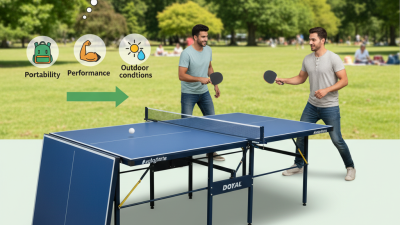
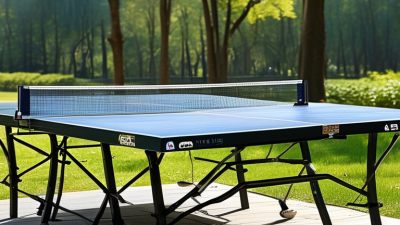
In 2026, a foldable outdoor table tennis table can turn a patio, driveway, or garden into a practical play space. The right choice depends on more than price. It should suit your available space, players, and local weather conditions. A Table Tennis Table Foldable Outdoor model may save storage space, but its frame, surface, and folding system still deserve close attention.
Outdoor use brings trade-offs. Sun, rain, and temperature changes can affect materials over time, so check the manufacturer’s care instructions and warranty rather than relying on broad claims. A coated tabletop, sturdy frame, locking wheels, and secure leg braces are useful features to compare. Feel the surface if possible. A smooth, even bounce matters more than a flashy finish.
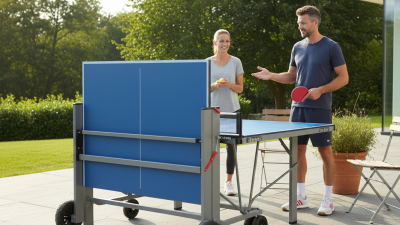
Measure the setup area, including room for players to move around the table. Then measure the storage space, doorways, and route to its parking spot. Some models fold into compact halves; others remain bulky and awkward to steer. That detail is easy to overlook. Check whether the net stays attached during folding, and whether one person can safely move the table.
This guide looks at practical features, common compromises, and questions to ask before buying. It cannot predict how every table will perform in every climate. Even a weather-resistant model needs sensible care. Compare specifications carefully, and choose a design that fits your space and playing habits—not just the product photos.
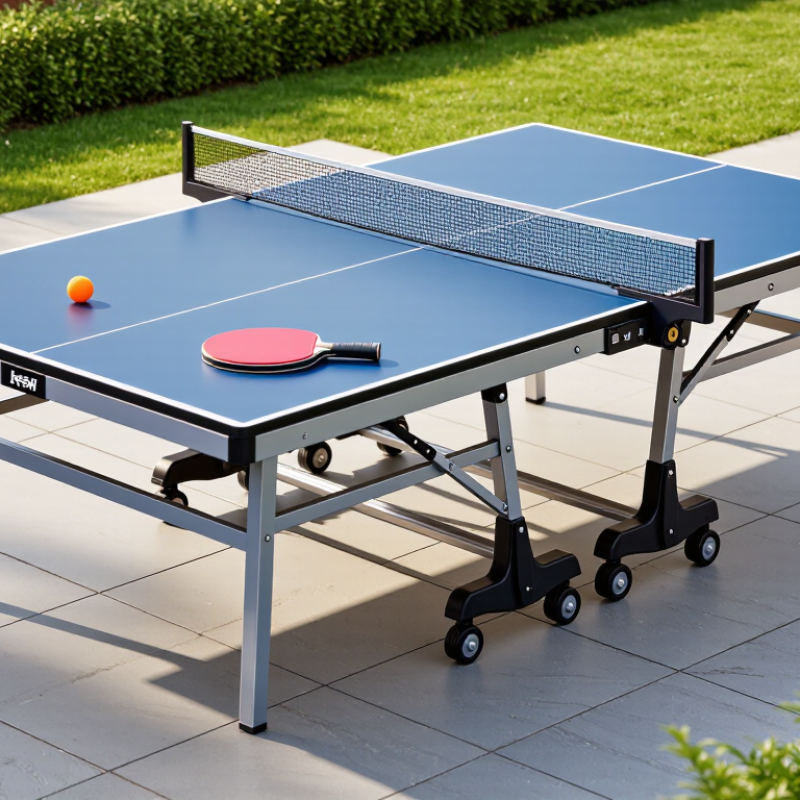
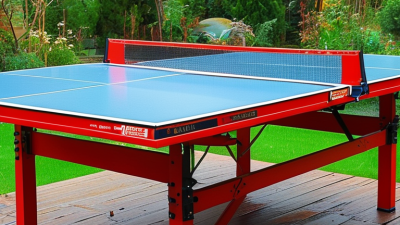
A foldable outdoor table tennis table must handle more than casual play. It faces sunlight, moisture, dust, and sudden wind. The playing surface should resist warping and fading. A weather-resistant coating helps, but it cannot replace proper storage.
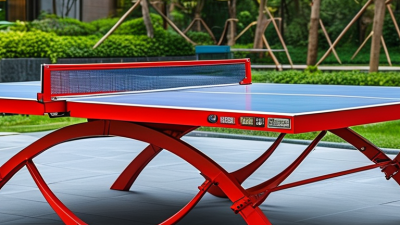
The table’s construction defines its daily reliability. A strong aluminum or treated steel frame keeps the halves aligned. Wide legs reduce movement during fast rallies. Locking joints should click firmly and release without forcing. Safety matters here. Secure locks prevent a folded panel from dropping unexpectedly. Large wheels make transport easier across patios, grass, or uneven paving. Small wheels often struggle.
The surface should provide a consistent bounce, not just a smooth appearance. A medium-thickness panel usually balances durability and play quality. Extremely thin boards may feel hollow and unstable. The center seam deserves inspection because poor alignment changes the ball’s rebound. I would also check the included net, height adjustment, and storage space before buying. These details are easy to overlook.
A good folding system allows one person to set up the table safely. However, lighter designs may sacrifice stability in windy conditions. That is an honest compromise. After use, keep the table folded under a cover or in a dry shed. Outdoor-rated does not mean weather-proof forever. A few minutes of maintenance can protect the surface, hinges, and wheels for many seasons.
| Feature | Standard or Typical Specification | Why It Matters | What to Check Before Buying |
|---|---|---|---|
| Playing surface size | A regulation table is 274 cm long, 152.5 cm wide, and 76 cm high. | Standard dimensions provide the familiar playing area used in table tennis. | Confirm the playing dimensions and allow extra room around the table for movement. |
| Net height and position | The net is 15.25 cm high and extends 15.25 cm beyond each side of the table. | Correct net dimensions help maintain a regulation-style setup. | Check whether the net is included, adjustable, and removable for storage. |
| Outdoor playing surface | Outdoor models commonly use weather-resistant surface materials, such as coated metal or resin-based panels. | Materials and protective finishes affect resistance to moisture, sunlight, and everyday outdoor use. | Review the stated care instructions and weather limitations; “outdoor” does not necessarily mean suitable for permanent exposure. |
| Folding and storage | Foldable designs commonly have two hinged table halves that can be raised or folded for storage. | A folding frame can reduce the space needed when the table is not in use. | Check folded dimensions, locking mechanisms, and whether the table can be stored upright safely. |
| Solo practice position | Many folding tables allow one half to be raised for individual practice. | A playback position can let one player practice returning the ball without a partner. | Verify that the model specifically supports playback and that the raised half locks securely. |
| Frame and stability | Frames, braces, and leg designs vary by model; there is no single required frame specification for all outdoor tables. | A rigid, level setup supports consistent play and helps limit unwanted movement. | Look for secure braces, stable legs, and adjustable feet if the playing area is uneven. |
| Wheels and mobility | Wheel size, quantity, and locking features vary across folding models. | Wheels can make it easier to move a folded table between play and storage areas. | Check wheel locks, the intended surface type, and whether the folded table can be moved by one person. |
| Wind and placement | Outdoor play is affected by wind; no foldable table can prevent wind from changing a ball’s path. | A sheltered, level location generally makes outdoor play more predictable. | Choose a location away from strong wind where possible, and follow the maker’s guidance for securing or storing the table. |
| Ball compatibility | The standard table-tennis ball is 40 mm in diameter and weighs 2.7 g. | Using standard-size balls makes practice more comparable to regular table tennis. | Check whether balls and other accessories are included; outdoor conditions can affect play regardless of ball type. |
| Warranty and upkeep | Warranty coverage, maintenance instructions, and replacement-part availability differ by seller and model. | Clear care guidance helps buyers understand how to protect the table and what support is available. | Read the warranty terms, cleaning instructions, and storage recommendations before purchase. |